
NUNAKA
Nunaka is the contraction of the words Numu, which refers to blacksmiths, and Naka, which indicates the family. This rhythm is also called Nunaka Bolo, Bolo meaning “rhythm” in this context. In Malinké, Bolo also means “in the manner of”.
Blacksmiths hold significant roles and are often esteemed members of their communities. They are typically responsible for forging metal tools, weapons for hunting or self-defense, tools for working the land, furniture, masks, and other implements essential for daily life and ceremonial purposes. Additionally, blacksmiths manufacture percussion instruments. The typical names of blacksmiths are Camara, Conde, and Kante.
Blacksmiths are frequently consulted by the village chief for counsel on important decisions. Their authority is so profound that it is met with both reverence and fear. Within Mande society, blacksmiths wield a potent force known as nyama, granting them control over the village’s energy, dynamics, and societal structure. A single family in the village is designated to produce blacksmiths. The boys from that family are taught the daliluw, the secret knowledge about the use and nature of nyama.
Read more
The rhythm Nunaka can be played on any occasion involving blacksmiths or when they are invoked by a griot.
Nunaka is also played for woodcutters. Traditionally, a specific tree is chosen, and ceremonial offerings are presented. The tree is then left standing until the woodcutter, accompanied by a team, returns at an opportune time to cut it down. Unlike mass deforestation, only a few trees are selectively cut, and always for significant reasons, for example crafting masks or drums. Another occasion is when a village chief (Dugutigui) passes away, and a funeral is arranged with the chief being interred in a coffin. To honor him, the oldest and highest tree of the forest is selected to construct the coffin, and Nunaka is played while the craftsmen are working.
There’s a parallel between an elderly person and an aged tree, both representing a substantial loss. Therefore, Nunaka is also performed during the funeral.
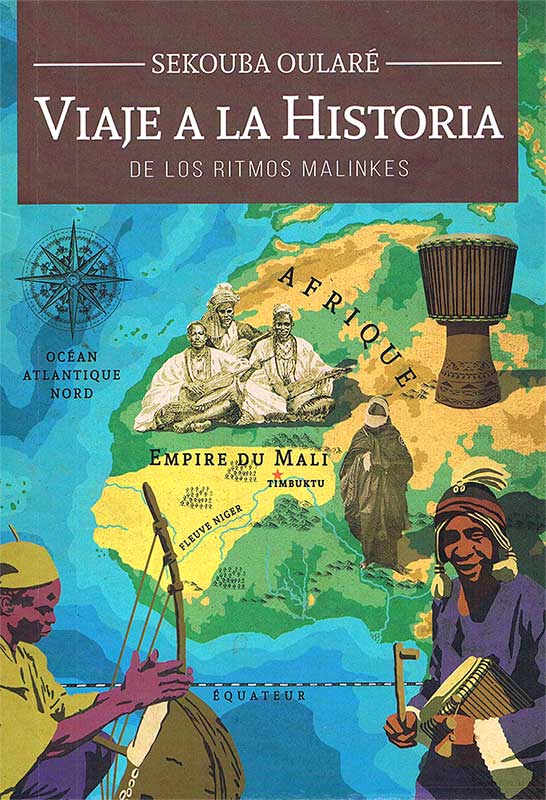
Most of this information was told to Jeremy Tomasck by Sekouba Oularé during many conversations. You can find more details in his book “Viaje a la historia de los ritmos malinkes” (Sube La Marea editions, 2022).
BASIC PATTERNS
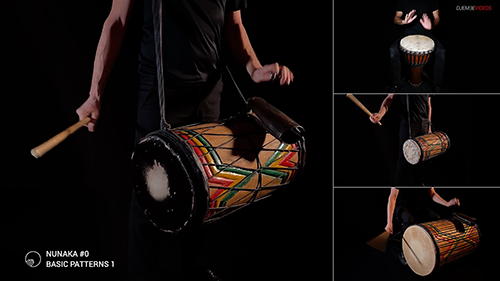
Basic patterns 1 (10)
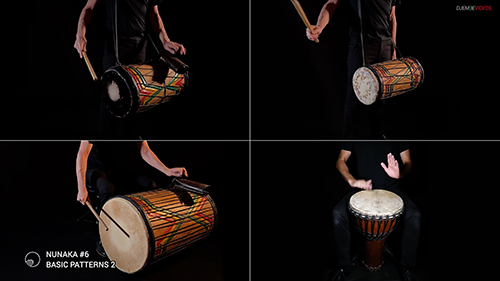
Basic patterns 2 (3)
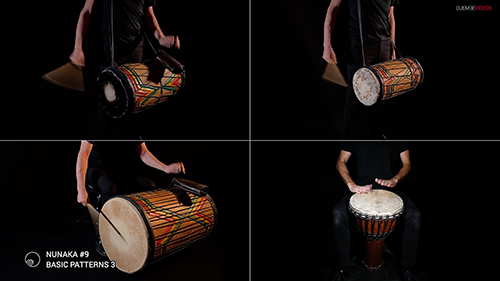
Basic patterns 3
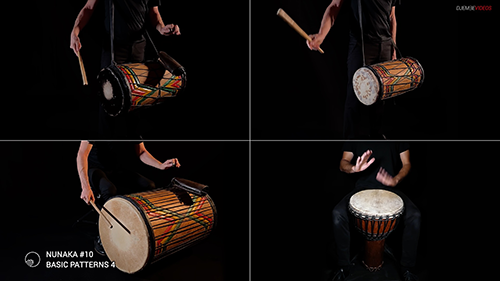
Basic patterns 4
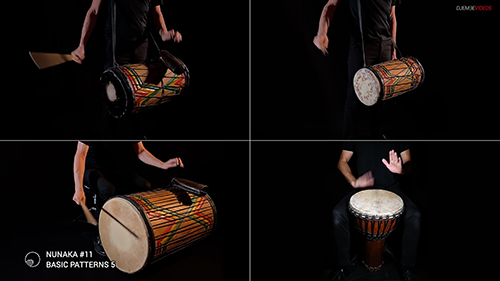
Basic patterns 5 (2)
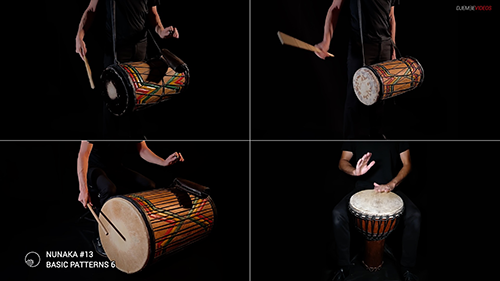
Basic patterns 6
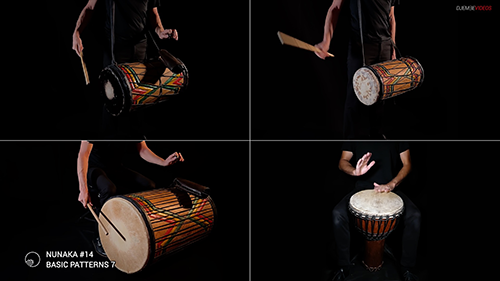
Basic patterns 7
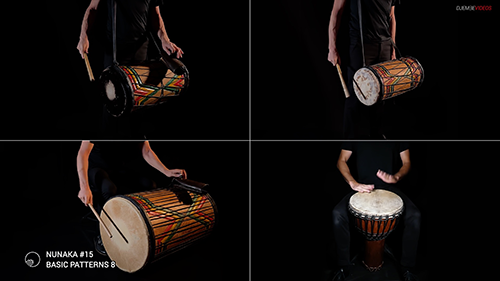
Basic patterns 8
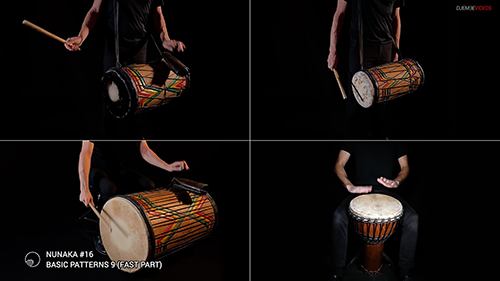
Basic patterns 9
LOOPS
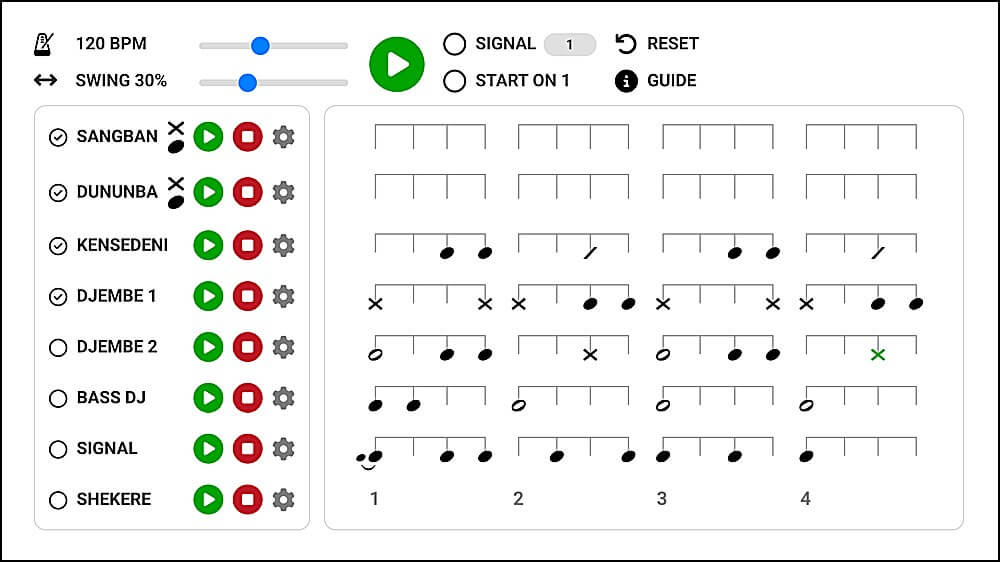
VARIATIONS
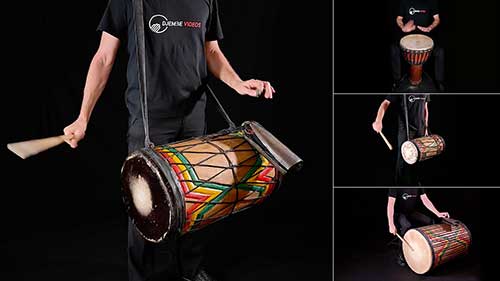
Sangban (28)
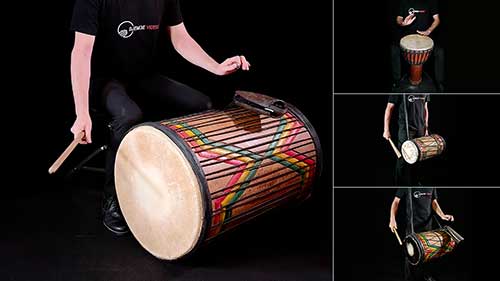
Dununba (24)
CHAUFFES
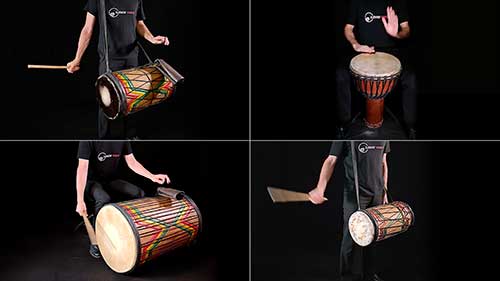
Dununs (4)
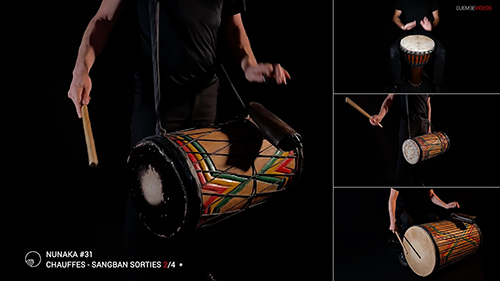
Sangban sorties (4)
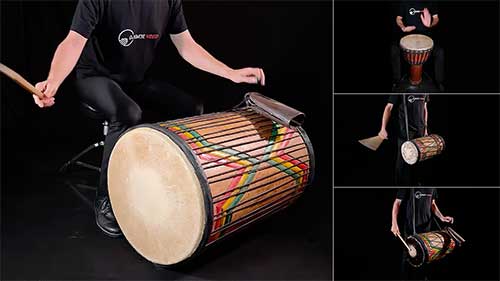
Dununba (6)
DJEMBE SOLOS
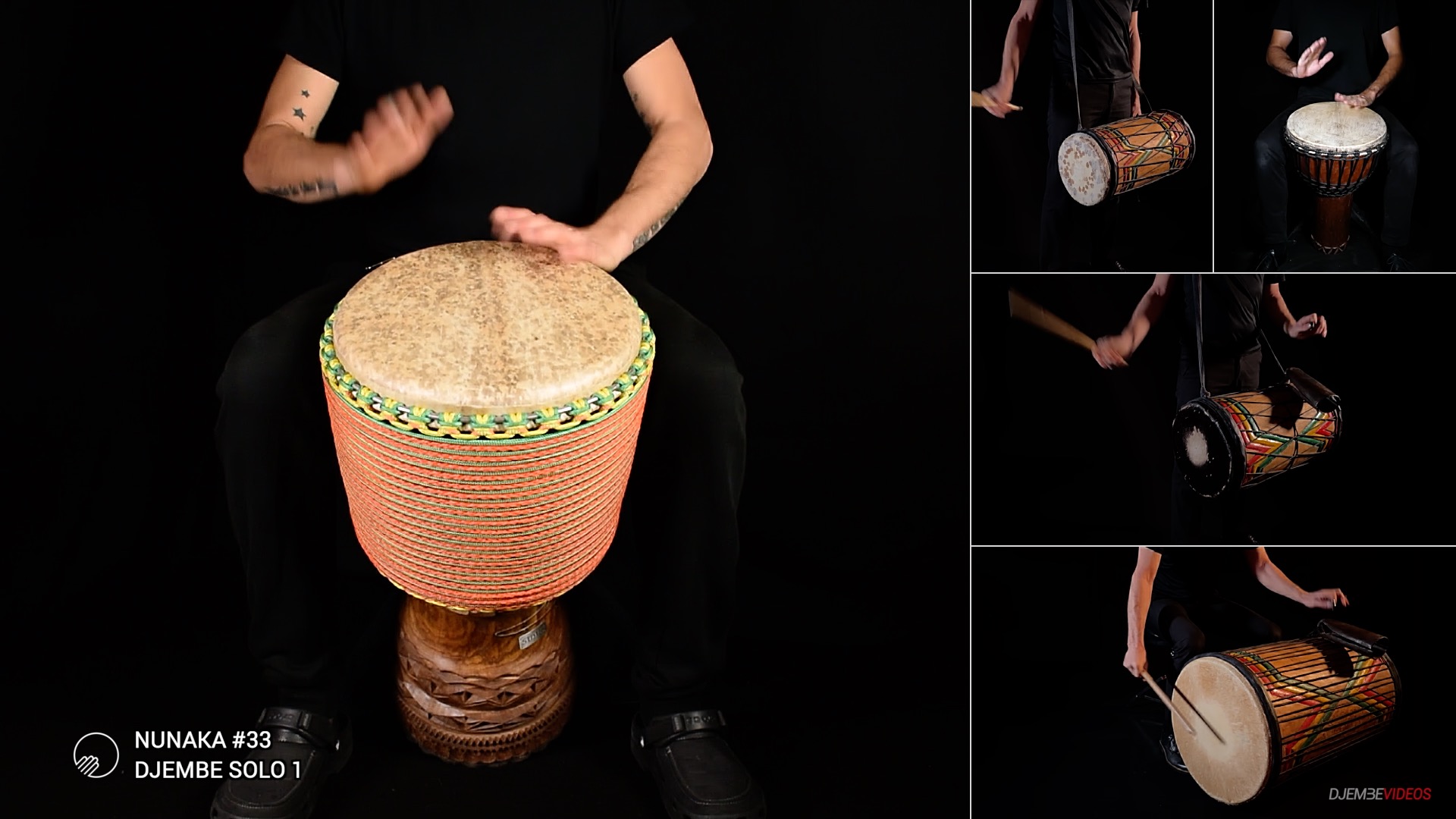
Level 1 (1)
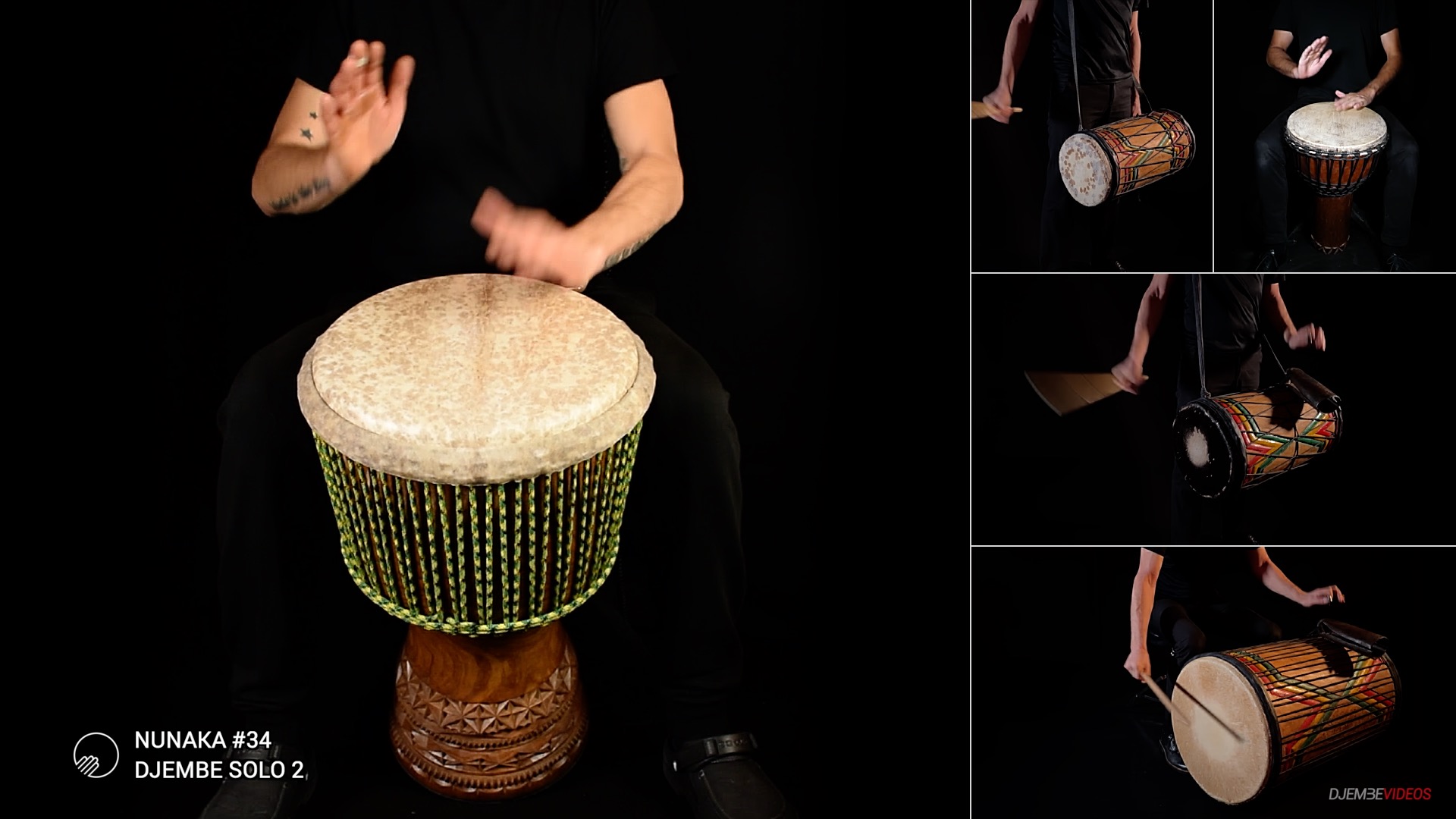
Level 2 (3)
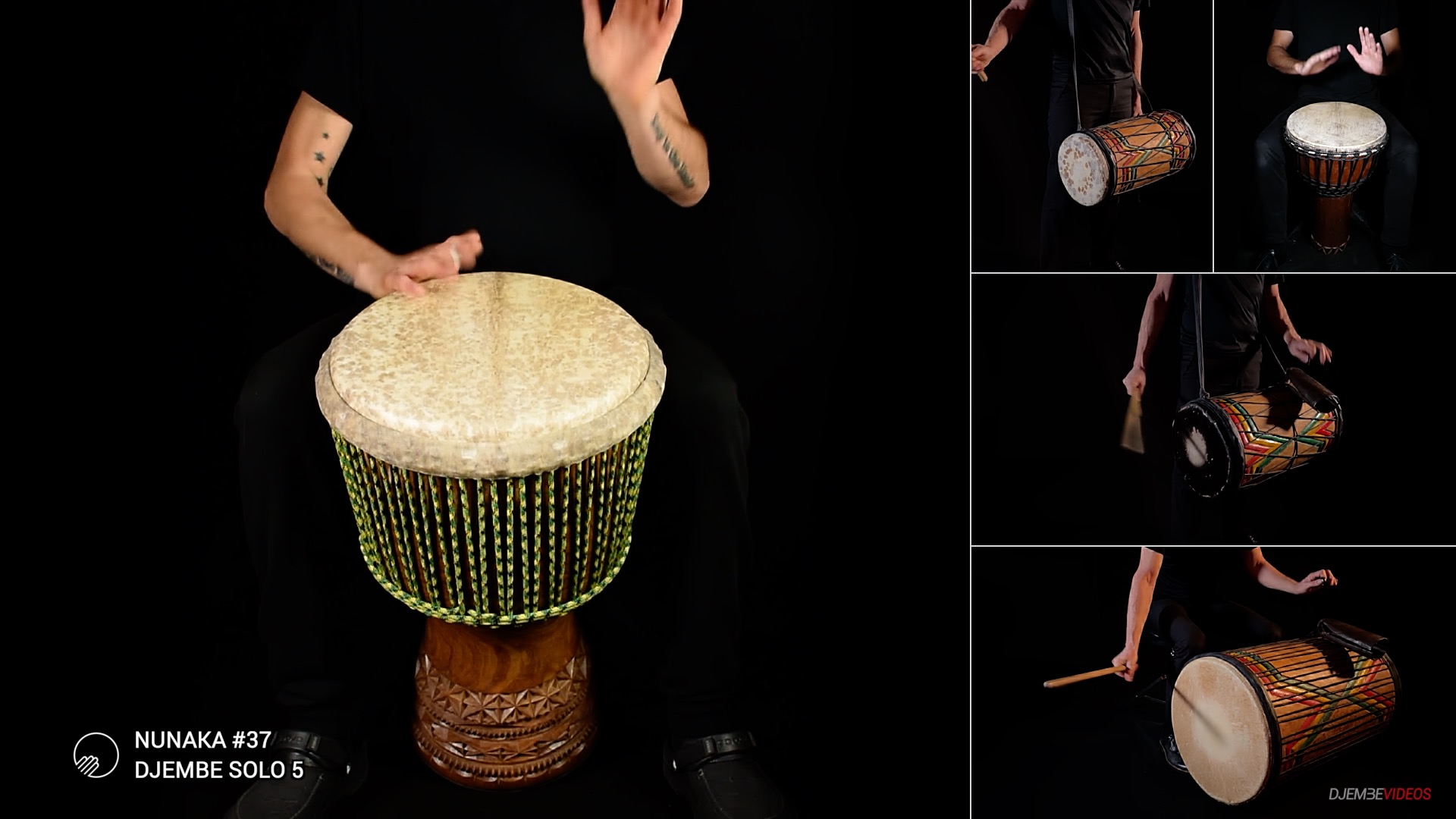
Level 3 (1)