
DJINA MANSA
Djinn means “spirit,” and Mansa means “king” or “chief.” In Upper Guinea, Djina Mansa—which in this context means “the Spirit King of the Great Forest”—is a sacred mask representing the king or father of all natural spirits in the Malinke animistic tradition.
This particular mask is a rare sight, revealed only during ceremonies dedicated to sorcerers or grand mask celebrations. While various versions of this mask exist, it is always scarying, serving as a safeguard against malevolent forces and warding off the influence of dark magic, which he chases with a stick.
In Baro, the Djina Mansa mask is kept deep within the Great Sacred Forest, guarded by a few villagers initiated into the secrets of the plants and of day and night. It bears green paint markings around its nose, interspersed with yellow and white bird feathers, symbols of its deep connection to the Great Sacred Forest near the village.
In the Sankaran region, the rhythm is called Fakoly.
Read more
BASSITI
Among the Malinké of Upper Guinea, Bassiti are sorcerers and traditional healers—known in French as “féticheurs”.
Bassiti possess deep spiritual knowledge and the ability to communicate with spirits—both ancestral and tutelary. They perform rituals, provide physical and spiritual healing, and offer guidance to their communities. They are also the guardians of sacred places such as ponds, forests, and ancestral groves.
They work with herbal remedies, ritual objects (amulets, fetishes, staffs, and other sacred instruments), and ceremonies intended to protect the community from harmful entities—whether malevolent spirits or wicked sorcerers.
Bassiti occupy an ambivalent position in Malinké society: they are respected for their protective and healing powers, yet sometimes feared or stigmatized, suspected of witchcraft or of wielding political and social influence through occult means.
During public celebrations—such as processions to sacred ponds, great mask festivals, or Dununba festivals—Bassiti take part to bless the gathering, summon the spirits, and ensure the ritual purity of the site. They are believed to detect malevolent individuals, whom they symbolically strike and drive away from the assembled crowd.
Each “féticheur” has his own rhythm and ceremony, usually performed late at night. Among the principal ritual masks are Djina Mansa, Kawa, Koma, Nama, Nyaba, Soliwulen, Woïma, and Wulujeng.
Among them, Koma is regarded as “the greatest”, “the master of fetishes”—the most powerful of all.
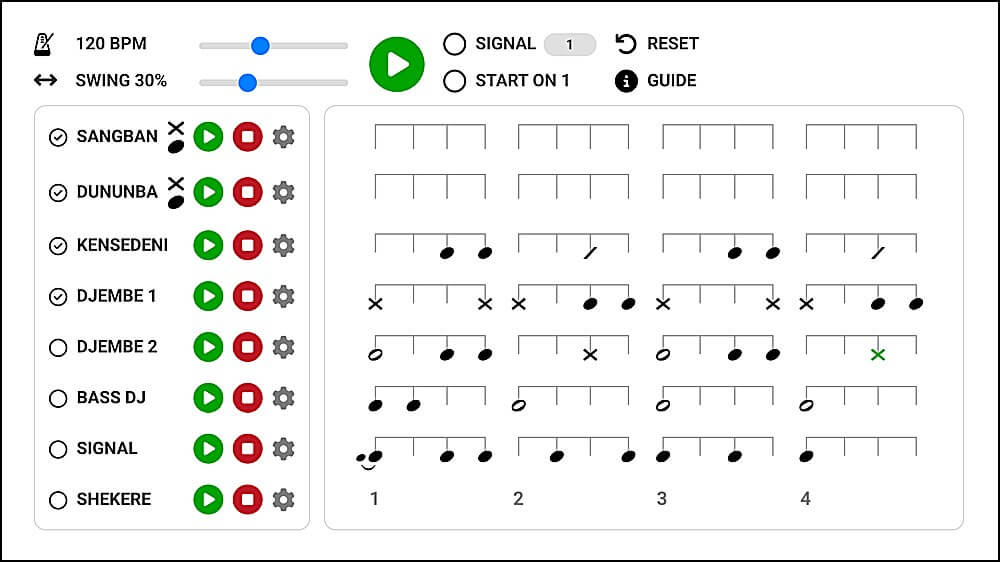
BASIC PATTERNS
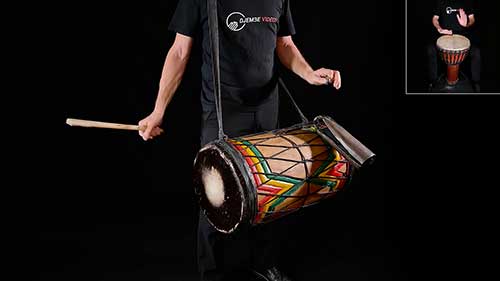
Sangban
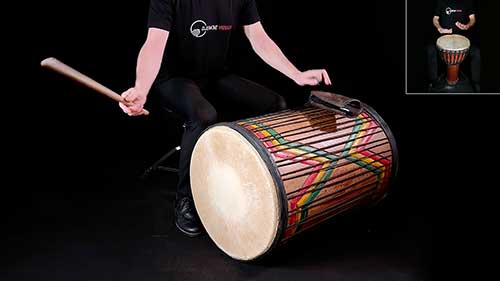
Dununba
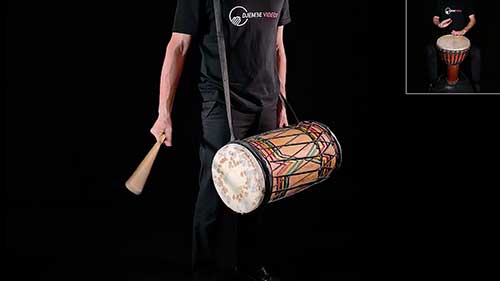
Kensedeni
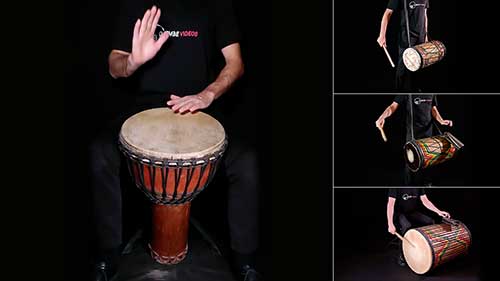
Djembé (3)
LOOPS
VARIATIONS
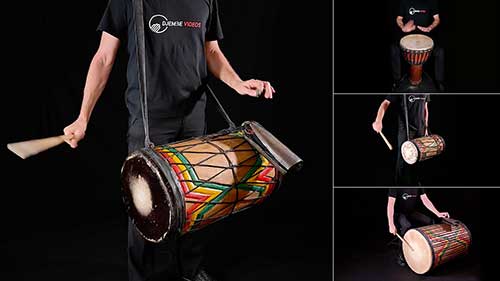
Sangban (25)
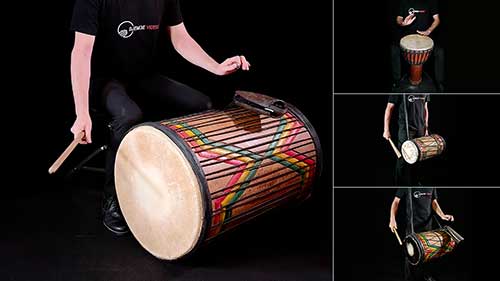
Dununba (17)
CHAUFFES
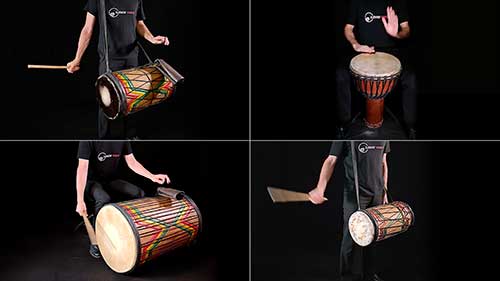
Dununs (12)
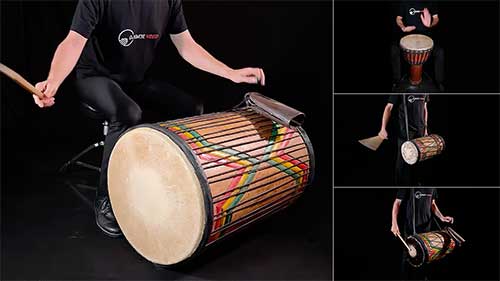
Dununba (4)
DJEMBE SOLOS
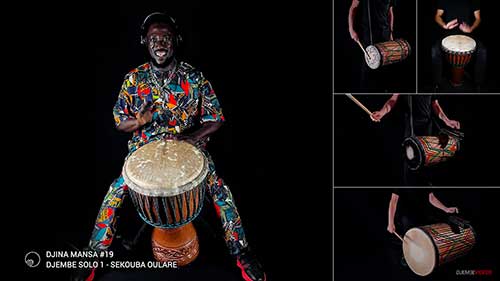
Level 1
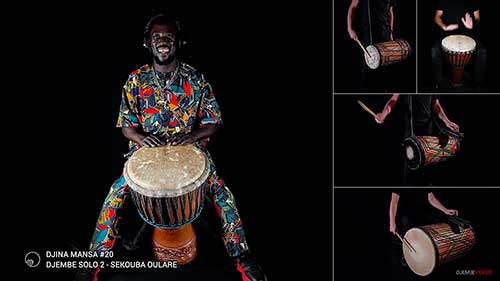
Level 2
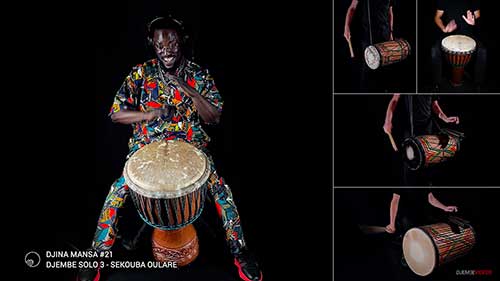
Level 3